
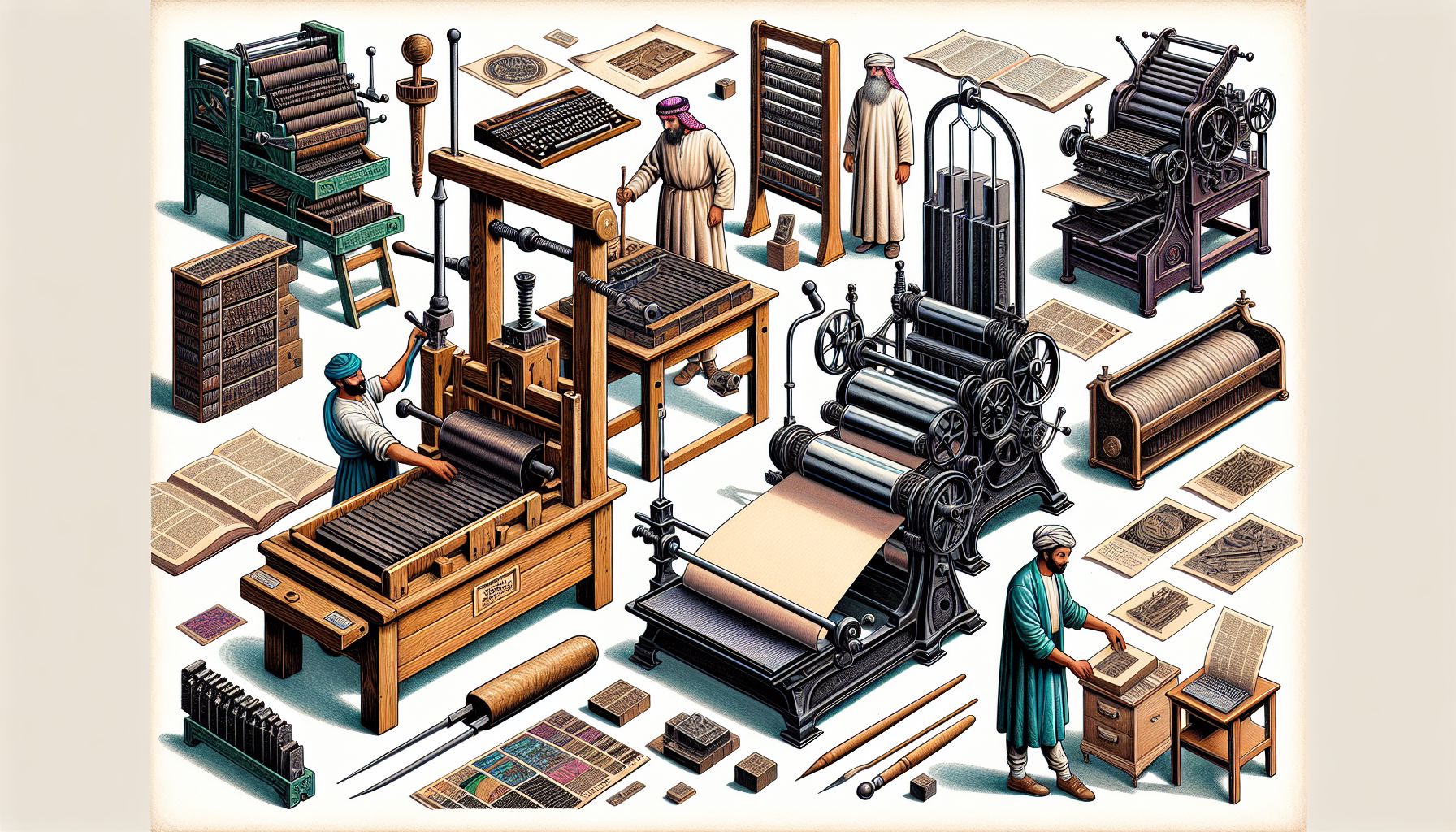
Exploring the World of Printing Techniques
In today’s digital age, the art of printing has evolved significantly from traditional methods to more advanced techniques. Whether it’s for creating business cards, posters, or even fabric designs, there are various printing techniques available to cater to different needs and preferences.
Introduction to Printing Techniques
Printing techniques can be broadly categorized into two main types: analog and digital. Analog printing involves methods like offset printing, screen printing, and letterpress printing, which rely on physical plates, screens, or blocks to transfer the image onto the printing surface. On the other hand, digital printing utilizes computer technology to directly transfer the image onto the printing surface without the need for physical plates.
Analog Printing Techniques
Offset Printing
Offset printing, also known as lithography, is a commonly used printing technique for mass-producing high-quality prints. This method involves transferring ink from a plate onto a rubber blanket, which then transfers the ink onto the printing surface. Offset printing is known for its consistency, sharpness, and color accuracy, making it ideal for large-scale printing projects like magazines, brochures, and packaging.
Screen Printing
Screen printing, also known as silk screening, involves using a mesh screen to transfer ink onto the printing surface. This technique is highly versatile and can be used on a variety of materials, including paper, fabric, and plastics. Screen printing is popular for producing vibrant and opaque prints, making it a popular choice for custom apparel, posters, and promotional items.
Letterpress Printing
Letterpress printing is a traditional printing technique that involves pressing raised type or images onto the printing surface. This method creates a tactile and visually appealing print with crisp lines and deep impressions. While letterpress printing is often associated with luxury stationery and wedding invitations, it is also used for creating art prints, business cards, and packaging.
Digital Printing Techniques
Inkjet Printing
Inkjet printing is a popular digital printing technique that involves spraying tiny droplets of ink onto the printing surface. This method is widely used for producing high-quality prints with sharp details and vibrant colors. Inkjet printing is commonly used for producing photographs, fine art prints, and marketing materials.
Laser Printing
Laser printing uses a laser beam to transfer toner onto the printing surface, which is then fused onto the paper using heat. This method is known for its speed and precision, making it ideal for high-volume printing projects like flyers, brochures, and reports. Laser printing is also commonly used for creating labels, stickers, and packaging materials.
Choosing the Right Printing Technique
When deciding on a printing technique for your project, it’s important to consider factors such as the quantity of prints, the desired quality, and the materials being used. Offset printing is ideal for large print runs with consistent quality, while screen printing is great for custom designs on various surfaces. Digital printing techniques like inkjet and laser printing are versatile options for smaller projects with quick turnaround times.
In conclusion, the world of printing techniques offers a wide range of options to suit different printing needs and preferences. Whether you prefer traditional analog methods or the convenience of digital printing, there is a technique that will help bring your creative vision to life. By understanding the advantages and capabilities of each printing technique, you can make informed decisions to achieve the best results for your projects.