
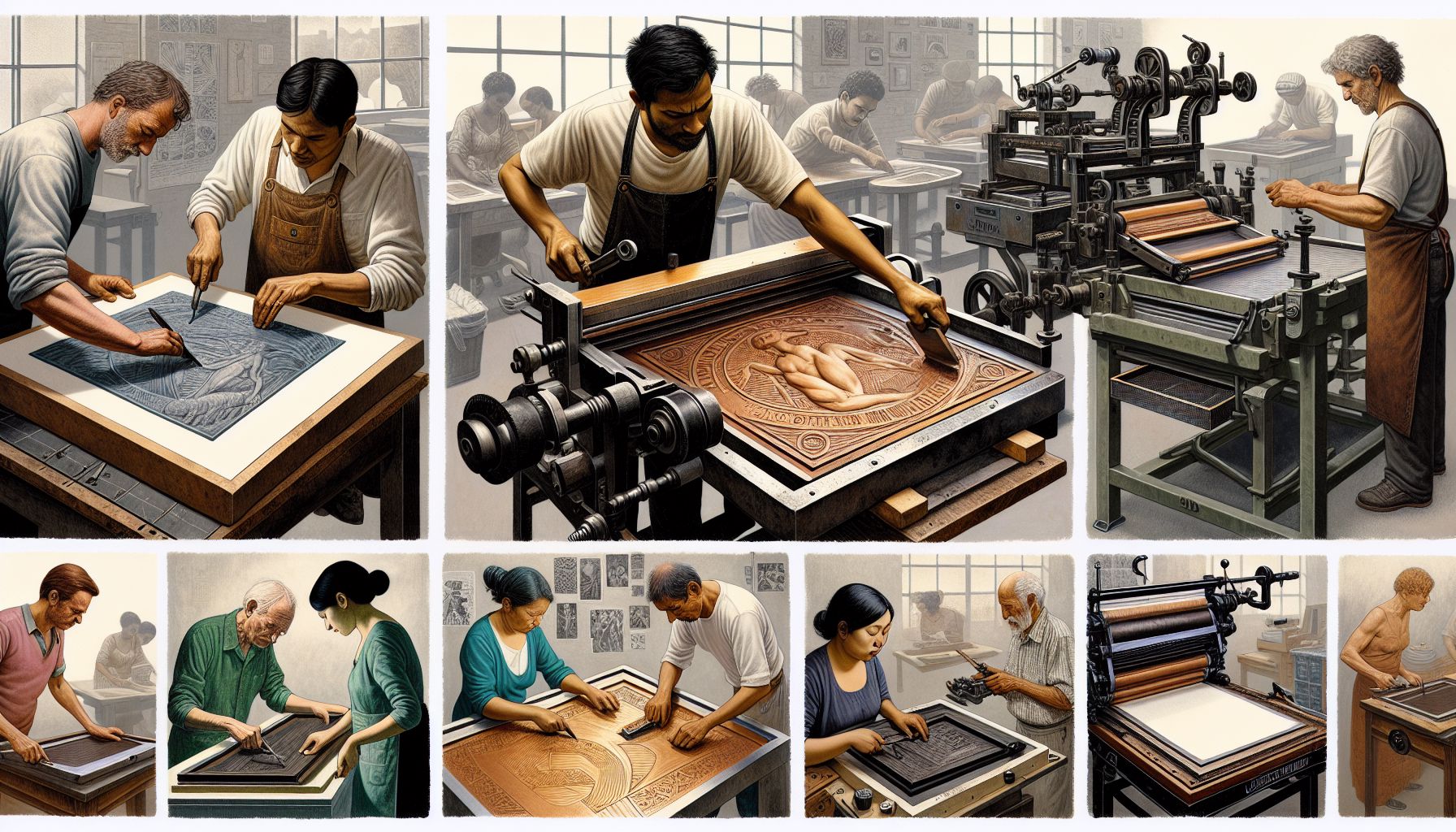
Exploring the World of Printing Techniques
Printing techniques have come a long way since the early days of block printing and moveable type. Today, there are countless methods and technologies available for creating high-quality printed materials, each with its own set of advantages and limitations. In this article, we will explore some of the most popular printing techniques used in the industry today, including offset printing, digital printing, screen printing, and more.
Offset Printing
Offset printing is one of the most commonly used printing techniques for producing high-quality, large volume prints. This process involves transferring ink from a printing plate onto a rubber blanket, which then transfers the ink onto the printing surface. Offset printing is ideal for producing crisp, clean images and text, making it a popular choice for items like brochures, catalogs, and flyers.
One of the key advantages of offset printing is its ability to produce consistent, high-quality prints at an affordable cost. However, offset printing can be time-consuming and may require longer setup times compared to other printing methods.
Digital Printing
Digital printing is a modern printing technique that involves transferring digital files directly onto the printing surface. Unlike offset printing, digital printing does not require a printing plate, making it a quicker and more cost-effective option for producing small to medium print runs. Digital printing is ideal for items like business cards, posters, and small-run brochures.
One of the main advantages of digital printing is its ability to produce high-quality prints quickly and efficiently. Digital printing also offers a high level of customization, allowing for variable data printing and personalization.
Screen Printing
Screen printing is a versatile printing technique that involves using a mesh screen to transfer ink onto a printing surface. This method is commonly used for printing on a variety of materials, including textiles, glass, and plastics. Screen printing is ideal for producing vibrant, durable prints and is often used for items like t-shirts, posters, and signage.
One of the main advantages of screen printing is its ability to produce bold, opaque prints on a wide range of materials. Screen printing is also cost-effective for producing large quantities of prints, making it a popular choice for businesses and organizations looking to create promotional materials.
Flexography
Flexography is a printing technique that involves using flexible relief plates to transfer ink onto a printing surface. This method is commonly used for printing on packaging materials like cardboard boxes, labels, and plastic bags. Flexography is ideal for producing consistent, high-quality prints on a variety of substrates.
One of the main advantages of flexography is its ability to print on a wide range of materials, including non-porous surfaces. Flexography is also known for its fast printing speeds and cost-effectiveness, making it a popular choice for packaging companies and manufacturers.
Gravure Printing
Gravure printing is a high-quality printing technique that involves transferring ink onto a printing surface using engraved cylinders. This method is commonly used for producing magazines, catalogs, and packaging materials. Gravure printing is ideal for producing sharp, detailed prints with consistent color reproduction.
One of the main advantages of gravure printing is its ability to produce high-resolution prints with vibrant colors. Gravure printing is also known for its durability and longevity, making it a popular choice for items that require a high level of visual appeal.
Conclusion
Printing techniques have evolved significantly over the years, offering a wide range of options for creating high-quality printed materials. Whether you’re looking to produce large volume prints or personalized items, there is a printing technique to suit your needs. By understanding the differences between offset printing, digital printing, screen printing, flexography, and gravure printing, you can make an informed decision on which method is best for your specific project. So next time you’re in need of printed materials, consider exploring the world of printing techniques to find the perfect solution for your needs.