
Exploring the World of Printing Techniques
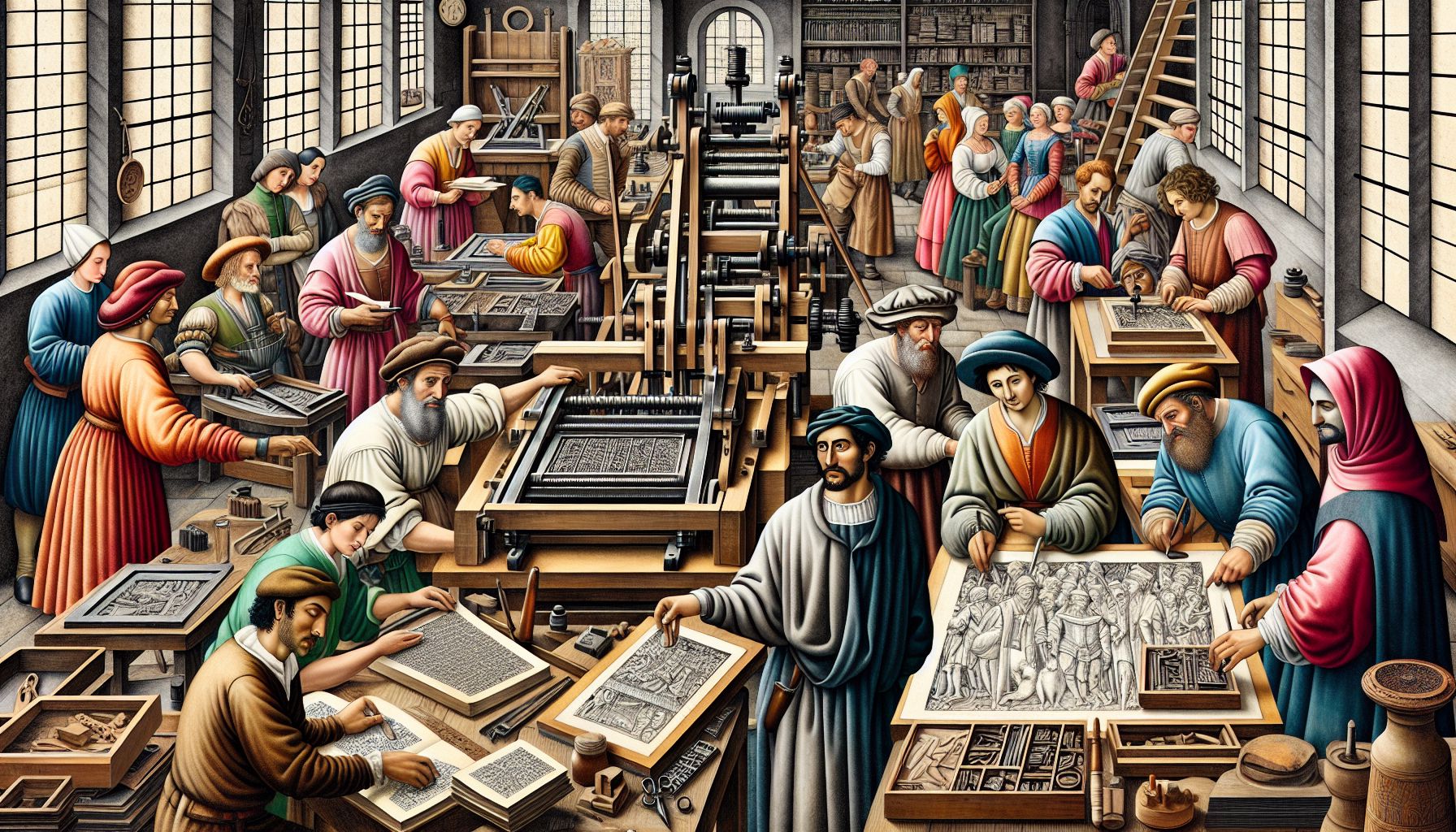
Printing techniques have come a long way since the invention of the printing press by Johannes Gutenberg in the 15th century. Today, there are a multitude of printing methods available, each with its own unique process and applications. Whether you’re a graphic designer, artist, or just someone looking to bring your creative visions to life, understanding these various printing techniques can help you choose the right method for your project. In this article, we will explore some of the most popular printing techniques, their pros and cons, and how you can take advantage of them in your next endeavor.
Offset Printing
Offset printing, also known as lithography, is one of the most widely used printing techniques in the industry. This method involves transferring an inked image from a metal plate onto a rubber blanket, which then transfers the image onto the printing surface. Offset printing is ideal for large print runs and can produce high-quality, consistent results.
One of the major advantages of offset printing is its ability to reproduce vibrant colors and sharp details. It is also cost-effective for bulk orders, making it a popular choice for businesses and publishers. However, offset printing requires a longer setup time and is not suitable for short print runs or projects that require quick turnaround times.
Digital Printing
Digital printing has revolutionized the printing industry with its speed, flexibility, and cost-effectiveness. Unlike traditional printing methods that require plates and setup, digital printing allows users to print directly from a digital file onto various substrates. This method is ideal for small print runs, personalized products, and quick turnaround times.
One of the key benefits of digital printing is its ability to produce high-quality prints with minimal setup time. It also offers variable data printing, which allows for personalized content such as names, addresses, and other customized information. However, digital printing may not always achieve the same level of color accuracy and detail as offset printing, especially for large print runs.
Screen Printing
Screen printing, also known as silk screening, is a versatile printing technique that can be used on a wide range of surfaces, including textiles, paper, and plastics. This method involves creating a stencil on a mesh screen, through which ink is forced to create the desired image. Screen printing is popular for its vibrant colors, durability, and ability to achieve unique textures and finishes.
One of the main advantages of screen printing is its versatility in printing on different substrates and surfaces. It is also cost-effective for medium to large print runs and can produce bold, opaque colors. However, screen printing requires a longer setup time and is not ideal for complex or detailed designs.
Flexography
Flexography, or flexo printing, is a popular choice for packaging and label printing due to its ability to print on a variety of substrates, including paper, plastic, and film. This method uses flexible relief plates to transfer ink onto the printing surface, producing consistent and high-quality prints. Flexography is known for its speed, efficiency, and cost-effectiveness for large print runs.
One of the key advantages of flexography is its ability to print on a wide range of substrates with fast drying inks, making it ideal for packaging and labeling applications. It also offers precise color registration and can produce high-quality prints with intricate designs. However, flexography requires specialized equipment and expertise, making it less accessible for small-scale projects.
Conclusion
In conclusion, understanding the various printing techniques available can help you choose the right method for your project. Whether you’re looking for vibrant colors, sharp details, or specialized finishes, there is a printing technique that can meet your needs. From offset printing for high-volume orders to digital printing for quick turnaround times, each method offers its own set of advantages and considerations.
Next time you embark on a printing project, consider the specific requirements of your design, budget, and timeline to determine the best printing technique for your needs. By harnessing the power of these various printing methods, you can bring your creative visions to life with stunning results.