My Blog

Exploring the World of Printing Techniques

In the world of design and printing, there are countless techniques that can be utilized to bring your creations to life. From traditional methods like offset printing to modern digital printing technologies, each technique has its own unique characteristics and advantages. In this article, we will delve into the various printing techniques available to designers and discuss their strengths and limitations.

Introduction to Printing Techniques

Printing techniques can be broadly categorized into two main types: traditional printing and digital printing. Traditional printing methods include processes like offset printing, letterpress, and screen printing, which have been used for centuries to produce high-quality printed materials. On the other hand, digital printing technologies, such as inkjet and laser printing, offer more flexibility and speed in the production of printed materials.

Traditional Printing Techniques

Offset Printing

Offset printing is one of the most commonly used printing techniques in the commercial printing industry. In this process, the image is transferred from a plate to a rubber blanket, and then onto the printing surface. Offset printing is known for its high image quality and color accuracy, making it ideal for printing magazines, brochures, and other marketing materials.

Letterpress Printing

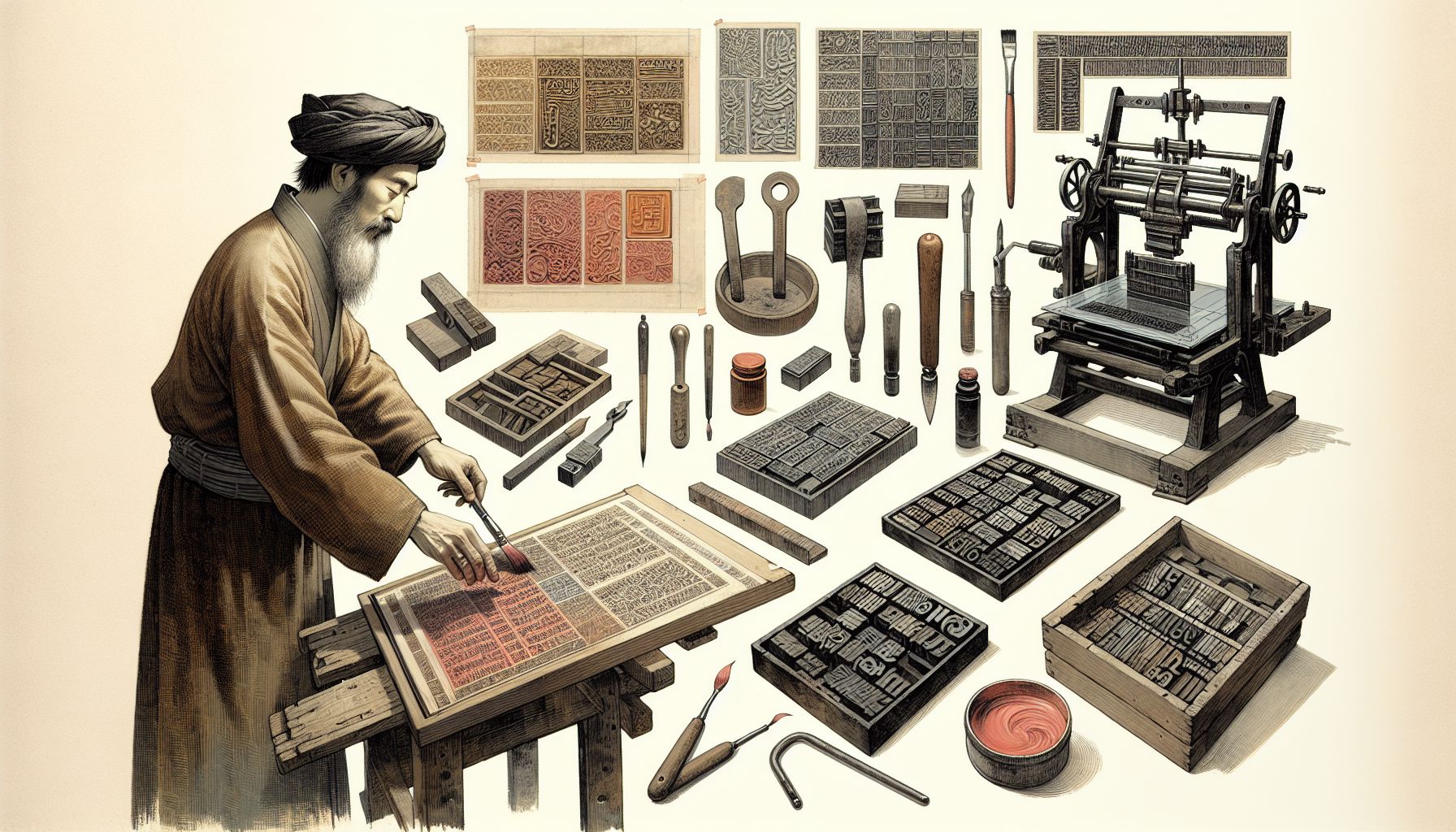
Letterpress printing is a traditional printing technique that dates back to the 15th century. In this process, raised metal type or plates are pressed into the paper to create an impression. Letterpress printing is prized for its tactile quality and unique aesthetic, making it a popular choice for wedding invitations, business cards, and other specialty items.

Screen Printing

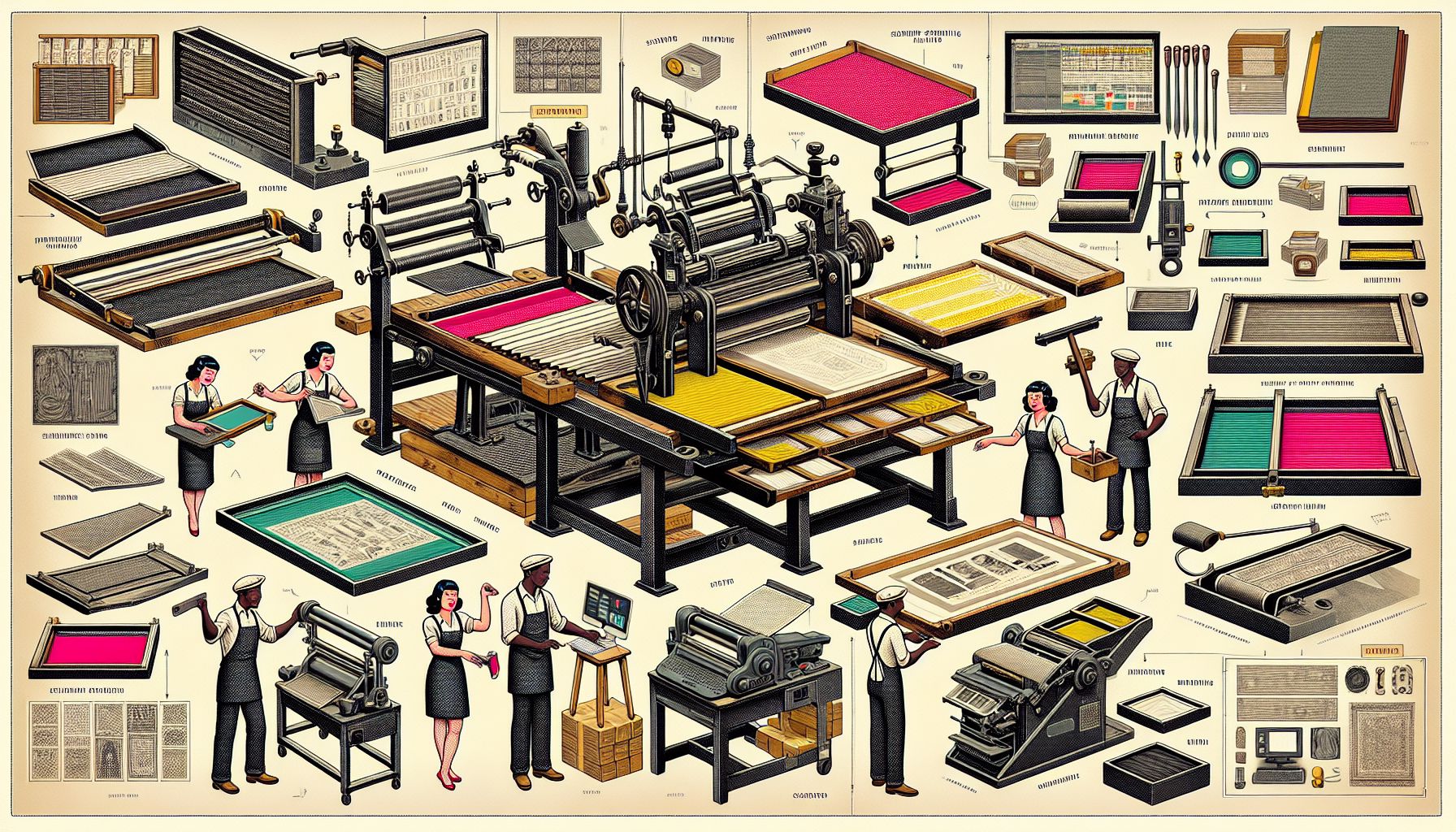
Screen printing, also known as silk screening, is a versatile printing technique that can be used on a wide range of materials, including paper, fabric, and plastic. In screen printing, a stencil is used to transfer ink onto the printing surface through a mesh screen. Screen printing is commonly used for printing posters, t-shirts, and signage.

Digital Printing Techniques

Inkjet Printing

Inkjet printing is a digital printing technique that uses tiny droplets of ink to create images on paper or other substrates. Inkjet printers are popular for their affordability and versatility, making them suitable for a wide range of printing applications, from documents and photos to banners and labels.

Laser Printing

Laser printing is another digital printing technique that uses a laser beam to create images on a printing surface. Laser printers are known for their speed and precision, making them a popular choice for producing high-volume print jobs, such as flyers, newsletters, and business documents.

Choosing the Right Printing Technique

When selecting a printing technique for your project, there are several factors to consider, including the desired quality, budget, turnaround time, and quantity of printed materials. Traditional printing methods like offset printing and letterpress may be more suitable for projects that require high image quality and a tactile finish, while digital printing technologies like inkjet and laser printing are better suited for projects that require quick turnaround times and cost-effective solutions.

In conclusion, the world of printing techniques offers a wide range of options for designers and creators to bring their ideas to life. Whether you choose a traditional printing method like offset or letterpress, or opt for a modern digital printing technology like inkjet or laser, each technique has its own unique strengths and limitations. By understanding the characteristics of each printing technique, you can make informed decisions to ensure the success of your printed materials.
My Blog

Exploring Different Printing Techniques

When it comes to creating printed materials, there are a variety of techniques that can be used to achieve different effects. From traditional methods like offset printing to modern digital printing, each technique has its own strengths and limitations. In this article, we will explore some of the most common printing techniques used today and discuss the benefits and drawbacks of each.

Offset Printing

Offset printing is one of the most widely used printing techniques, particularly for large print runs. This process involves transferring an inked image from a plate to a rubber blanket, which then transfers the image onto the printing surface. Offset printing is known for its high-quality results, sharp details, and vibrant colors. It is often used for producing magazines, brochures, and other high-quality printed materials.

One of the main advantages of offset printing is its ability to produce consistent, high-quality prints at a relatively low cost per unit. However, offset printing can be time-consuming and may not be cost-effective for small print runs. Additionally, this technique requires the creation of printing plates, which adds to the initial setup costs.

Digital Printing

Digital printing is a more modern printing technique that involves transferring a digital image directly to the printing surface. This process eliminates the need for printing plates, making it a more cost-effective option for small print runs. Digital printing is also known for its quick turnaround times and the ability to easily customize prints.

While digital printing is more cost-effective for short print runs, it may not always produce the same level of quality as offset printing. Colors may not be as vibrant, and details may not be as sharp. Additionally, digital printing may not be as suitable for certain types of materials, such as those that require special finishes or coatings.

Screen Printing

Screen printing is a versatile printing technique that can be used to print on a wide variety of materials, including paper, fabric, and glass. This process involves using a mesh screen to transfer ink onto the printing surface. Screen printing is often used for printing T-shirts, posters, and other promotional materials.

One of the main advantages of screen printing is its ability to produce vibrant colors and durable prints. Screen printing is also cost-effective for large print runs. However, screen printing can be more time-consuming and may not be suitable for highly detailed prints. Additionally, this technique may not be as cost-effective for small print runs.

Flexography

Flexography is a printing technique commonly used for printing packaging materials, labels, and newspapers. This process involves using flexible relief plates to transfer ink onto the printing surface. Flexography is known for its high-speed capabilities and ability to print on a variety of substrates.

One of the main advantages of flexography is its ability to produce high-quality prints at a fast pace. This makes it an ideal choice for industries with high production volumes. However, flexography may not always produce the same level of detail as other printing techniques, such as offset printing. Additionally, the setup costs for flexography can be higher than other printing methods.

Conclusion

In conclusion, there are many different printing techniques available, each with its own strengths and limitations. The choice of printing technique will depend on factors such as print volume, budget, and desired quality. Offset printing is a good choice for high-quality prints at a low cost per unit, while digital printing is ideal for customized prints and short print runs. Screen printing is versatile and durable, while flexography is well-suited for high-speed printing on packaging materials. By understanding the strengths and limitations of each printing technique, you can choose the method that best suits your needs.

My Blog

Exploring Different Printing Techniques

In today’s digital age, printing techniques have come a long way from traditional methods such as letterpress and lithography. With advancements in technology, there are now a plethora of printing techniques available to suit every need and budget. Whether you’re looking to create a stunning piece of art or simply need to print out some documents, there is a printing technique that is perfect for you.

Introduction to Printing Techniques

Printing techniques can be divided into two main categories: traditional and digital. Traditional printing techniques involve transferring ink from a printing plate onto a substrate, such as paper or fabric. These techniques include letterpress, lithography, and screen printing. Digital printing, on the other hand, involves printing directly from a digital file onto a substrate using a printer. Some popular digital printing techniques include inkjet and laser printing.

Traditional Printing Techniques

1. Letterpress

Letterpress is one of the oldest printing techniques, dating back to the 15th century. It involves pressing a raised surface against paper to create an impression. Letterpress is known for its tactile quality and is often used for creating invitations, business cards, and other high-end printed materials.

2. Lithography

Lithography is a printing technique that involves using a flat surface, typically a stone or metal plate, to transfer ink onto paper. It is known for its ability to produce fine details and vivid colors. Lithography is commonly used for printing posters, art prints, and packaging.

3. Screen Printing

Screen printing, also known as silk screening, involves using a mesh screen to transfer ink onto a substrate. It is a versatile printing technique that can be used on a variety of materials, including paper, fabric, and plastic. Screen printing is often used for printing t-shirts, posters, and signage.

Digital Printing Techniques

1. Inkjet Printing

Inkjet printing is a popular digital printing technique that involves spraying tiny droplets of ink onto paper. It is known for its high print quality and ability to reproduce vibrant colors. Inkjet printing is commonly used for printing photographs, documents, and marketing materials.

2. Laser Printing

Laser printing involves using a laser beam to transfer toner onto paper. It is known for its fast printing speed and high-quality output. Laser printing is commonly used for printing documents, labels, and packaging.

Choosing the Right Printing Technique

When choosing a printing technique, there are several factors to consider, including the desired print quality, the quantity of prints needed, and the budget. Traditional printing techniques such as letterpress and lithography are best suited for small print runs and projects that require a high level of customization. Digital printing techniques such as inkjet and laser printing are ideal for large print runs and projects that require quick turnaround times.

In conclusion, the world of printing techniques is vast and diverse, with options to suit every need and budget. Whether you’re looking to create a one-of-a-kind piece of art or need to print out a stack of documents, there is a printing technique that is perfect for you. Take the time to explore different printing techniques and find the one that best suits your needs.

My Blog

Exploring the World of Printing Techniques

In today’s fast-paced digital world, the art of printing continues to evolve and adapt to new technologies. From traditional methods like letterpress to modern techniques such as digital printing, there are a wide range of options available for producing high-quality prints. In this article, we will explore some of the most popular printing techniques used today and discuss their unique characteristics and applications.

Introduction to Printing Techniques

Printing techniques can be broadly categorized into two main types: traditional and digital. Traditional printing methods, such as letterpress and offset printing, involve transferring ink onto paper using a physical template or plate. These techniques have been used for centuries and are known for their high-quality and durability. On the other hand, digital printing relies on computer technology to transfer images directly onto paper, making it a faster and more cost-effective option for small print runs.

Traditional Printing Techniques

Letterpress

Letterpress printing is one of the oldest printing techniques, dating back to the 15th century. In letterpress printing, a raised surface with ink is pressed onto paper to create an impression. This method produces a unique tactile quality that is highly sought after in the world of stationery and fine art printing. Letterpress is often used for wedding invitations, business cards, and other high-end print materials.

Offset Printing

Offset printing, also known as lithography, is a popular choice for high-volume print jobs. In offset printing, the printing plate transfers an image onto a rubber blanket, which then transfers the image onto paper. This process allows for consistent and high-quality prints, making it ideal for magazines, brochures, and other commercial printing projects.

Screen Printing

Screen printing is a versatile technique that can be used on a variety of materials, including paper, fabric, and plastic. In screen printing, a stencil is placed on a mesh screen, and ink is forced through the screen onto the substrate. This method allows for bold colors and unique textures, making it a popular choice for posters, t-shirts, and other promotional materials.

Digital Printing Techniques

Inkjet Printing

Inkjet printing is a popular digital printing technique that uses tiny droplets of ink to create images on paper. This method is known for its vibrant colors and sharp details, making it a great option for photographs and fine art prints. Inkjet printers are also affordable and easy to use, making them a popular choice for home and small business users.

Laser Printing

Laser printing uses a laser beam to transfer toner onto paper, creating crisp and consistent prints. This method is commonly used for office documents, flyers, and other everyday print materials. Laser printers are fast and efficient, making them ideal for high-volume printing jobs.

Digital Offset Printing

Digital offset printing combines the high-quality output of offset printing with the flexibility of digital technology. In this method, the image is transferred directly from a computer to the printing plate, eliminating the need for traditional printing plates. Digital offset printing is ideal for short print runs and projects that require quick turnaround times.

Conclusion

In conclusion, printing techniques have come a long way since the days of Gutenberg’s printing press. Whether you prefer the tactile quality of letterpress or the vibrant colors of digital printing, there is a printing technique to suit every project and budget. By understanding the unique characteristics and applications of each printing method, you can choose the best option for your next print project. So next time you need to print business cards, wedding invitations, or promotional materials, take the time to explore the world of printing techniques and find the perfect method for your needs.

My Blog

Exploring Different Printing Techniques: From Offset to Digital

Printing has come a long way from its humble beginnings, with numerous advancements in technology leading to a wide range of printing techniques available today. Whether you’re looking to print business cards, flyers, or posters, understanding the different printing methods can help you choose the best option for your needs. In this article, we’ll explore some of the most common printing techniques, from traditional offset printing to the more modern digital printing.

Offset Printing

Offset printing is one of the oldest printing techniques, dating back to the late 19th century. It involves transferring an inked image from a plate to a rubber blanket, which then transfers the image to the printing surface. This method is known for its high quality and color accuracy, making it a popular choice for projects that require fine details and vibrant colors.

One of the key advantages of offset printing is its ability to handle large print runs efficiently. Since the plates used in offset printing can be quite expensive to create, this technique is best suited for projects that require a large quantity of prints. Additionally, offset printing allows for customization options such as Pantone color matching, making it ideal for projects that require precise color accuracy.

However, offset printing does have some drawbacks. The setup process can be time-consuming and costly, making it less ideal for small print runs. Additionally, offset printing requires the use of chemicals and solvents, which can be harmful to the environment if not disposed of properly.

Digital Printing

Digital printing has gained popularity in recent years due to its speed and cost-effectiveness. Unlike offset printing, which involves creating plates for each color, digital printing uses digital files to directly print the image onto the printing surface. This makes digital printing a great option for projects with tight deadlines or small print runs.

One of the key advantages of digital printing is its ability to produce high-quality prints with minimal setup time. Since there are no plates to create, digital printing allows for quick turnaround times, making it ideal for projects that require fast production. Additionally, digital printing offers more flexibility in terms of customization, allowing for variable data printing and quick changes to the design.

However, digital printing may not always achieve the same level of color accuracy and vibrancy as offset printing. The limitations of digital printing technology can result in color variations and lower image resolution, particularly when compared to offset printing. Additionally, digital printing may not be cost-effective for large print runs, as the cost per unit can be higher than with offset printing.

Screen Printing

Screen printing is another popular printing technique that is commonly used for printing on textiles, such as t-shirts and tote bags. This method involves using a mesh screen to transfer ink onto the printing surface, with each color requiring a separate screen. Screen printing is known for its durability and vibrant colors, making it a great choice for projects that require long-lasting prints.

One of the key advantages of screen printing is its versatility. Screen printing can be used on a wide range of materials, from paper to fabric to metal, making it suitable for various types of projects. Additionally, screen printing allows for bold and opaque prints, making it ideal for designs that require solid colors or intricate details.

However, screen printing can be labor-intensive and time-consuming, particularly when multiple colors are involved. Each color in the design requires a separate screen and printing pass, which can increase the production time and cost. Additionally, screen printing may not be suitable for projects that require high levels of detail, as the ink may bleed or spread on the printing surface.

Flexography

Flexography is a printing technique commonly used for packaging materials, such as labels and cartons. This method involves using flexible relief plates to transfer ink onto the printing surface, with each color requiring a separate plate. Flexography is known for its speed and efficiency, making it a popular choice for projects that require high-volume printing.

One of the key advantages of flexography is its ability to print on a wide range of materials, including plastic, corrugated cardboard, and metallic films. Flexography can produce high-quality prints with crisp images and vibrant colors, making it ideal for projects that require eye-catching packaging. Additionally, flexography allows for quick drying times, making it suitable for fast-paced production environments.

However, flexography may not be cost-effective for small print runs, as the setup costs for plates and inks can be high. Additionally, flexography may not achieve the same level of detail and color accuracy as offset printing, particularly for complex designs. The limitations of flexography technology may result in slight color variations and image distortion, particularly on textured or uneven surfaces.

Conclusion

In conclusion, there are many printing techniques available today, each with its own advantages and limitations. Whether you choose offset printing for its high quality and color accuracy, digital printing for its speed and cost-effectiveness, screen printing for its durability and versatility, or flexography for its efficiency and versatility, understanding the different options can help you make an informed decision for your next printing project. By considering factors such as print quality, production time, and cost, you can choose the printing technique that best suits your needs and budget. Next time you’re planning a printing project, think about which technique will help you achieve the best results.

My Blog

Exploring the World of Printing Techniques

In today’s fast-paced world, it’s easy to take for granted the printed materials that surround us. Whether it’s a business card, a flyer, or a product label, printing techniques play a crucial role in creating visually appealing and effective communication tools. From traditional methods like offset printing to cutting-edge digital technologies, there are a wide variety of techniques available to suit different needs and budgets. In this article, we will explore some of the most common printing techniques used today and delve into the unique characteristics of each.

Offset Printing

Offset printing, also known as lithography, is one of the most widely used printing techniques in the industry. It involves transferring ink from a plate to a rubber blanket, which then presses onto the printing surface. This method is ideal for high-volume projects and ensures consistent and high-quality results. Offset printing is known for its sharp and clean images, making it a popular choice for brochures, magazines, and other marketing materials.

Digital Printing

Digital printing has revolutionized the printing industry in recent years, offering quick turnaround times and cost-effective solutions for small print runs. This technique involves directly transferring digital files onto the printing surface, eliminating the need for plates and setup costs. Digital printing is highly customizable, allowing for variable data printing and personalized materials. It is ideal for short runs, on-demand printing, and projects that require quick turnaround times.

Screen Printing

Screen printing is a versatile technique that involves using a mesh screen to transfer ink onto a substrate. This method is commonly used for printing on textiles, such as t-shirts and bags, but can also be used on paper and other materials. Screen printing allows for vibrant and opaque colors, making it ideal for designs that require a high level of detail and color saturation. This technique is also cost-effective for large print runs, as the setup costs are relatively low.

Flexography

Flexography is a popular choice for printing packaging materials, such as labels, cartons, and bags. This technique uses flexible printing plates mounted on a rotating cylinder to transfer ink onto the printing surface. Flexography is known for its fast printing speeds and ability to print on a variety of substrates, including paper, plastic, and metal. This method is ideal for projects that require high-quality images and colors on flexible materials.

Gravure Printing

Gravure printing, also known as intaglio printing, is a high-quality and cost-effective printing technique used for long print runs. This method involves etching an image onto a cylinder, which is then coated with ink and pressed onto the printing surface. Gravure printing produces sharp and detailed images, making it ideal for projects that require high-definition graphics, such as magazines, catalogs, and packaging. While the setup costs for gravure printing are higher than other methods, the per-unit cost decreases with larger print runs.

Conclusion

Printing techniques play a crucial role in creating effective communication tools that capture the attention of the audience. From traditional offset printing to digital printing, each method offers unique benefits and characteristics that cater to different needs and budgets. By understanding the strengths and limitations of each technique, businesses can make informed decisions on the best printing method for their projects. Whether it’s a colorful brochure, a sleek business card, or a captivating label, the right printing technique can elevate the impact of any printed material. As technology continues to advance, the world of printing techniques will only continue to evolve, offering endless possibilities for creativity and innovation.

My Blog

Exploring the World of Printing Techniques

In today’s digital age, printing techniques have become more advanced than ever. From traditional methods like offset printing to modern techniques like 3D printing, there are a wide variety of options available for producing high-quality printed materials. In this blog post, we will explore some of the most popular printing techniques used today, the benefits of each method, and some examples of when to use them.

Offset Printing

Offset printing is one of the most commonly used printing techniques for producing high-volume projects such as newspapers, magazines, and brochures. This method works by transferring ink from a plate to a rubber blanket, which then transfers the ink to the paper. Offset printing is known for its cost-effectiveness and ability to produce consistent, high-quality results. It is a great option for projects that require large quantities of printed materials.

Digital Printing

Digital printing has revolutionized the printing industry by allowing for quick and cost-effective production of small to medium-sized print runs. This method works by sending digital files directly to the printing press, eliminating the need for plates. Digital printing is ideal for projects that require customization, variable data printing, or quick turnaround times. It is also a great option for printing prototypes or test runs before committing to a larger print run.

Flexography

Flexography, also known as flexo printing, is a versatile printing technique that is commonly used for packaging materials, labels, and newspapers. This method works by transferring ink from a flexible plate to the printing substrate. Flexography is known for its ability to print on a wide variety of materials, including plastic, metallic films, and corrugated cardboard. It is a great option for projects that require high-speed printing and the ability to print on different substrates.

Screen Printing

Screen printing is a popular printing technique for producing custom apparel, posters, and signage. This method works by pressing ink through a mesh screen onto the printing substrate. Screen printing is known for its versatility and ability to print on a wide range of materials, including fabric, paper, and plastic. It is a great option for projects that require vibrant colors, special effects (such as metallic or glow-in-the-dark inks), or a unique texture.

3D Printing

3D printing is a cutting-edge printing technique that has revolutionized the manufacturing industry. This method works by building up layers of material to create a three-dimensional object. 3D printing is used for prototyping, product development, and even production of finished goods. It is a great option for projects that require complex geometries, customization, or small production runs.

Conclusion

In conclusion, there are a wide variety of printing techniques available for producing high-quality printed materials. Whether you need a cost-effective solution for a large print run, a quick turnaround time for a small project, or the ability to print on unique materials, there is a printing method that will meet your needs. By understanding the benefits and capabilities of each technique, you can choose the best option for your specific project. So next time you have a printing project, consider the different printing techniques available and choose the one that will help you achieve the best results.

My Blog

Exploring the World of Printing Techniques

In today’s fast-paced world of technology and innovation, the art of printing remains an essential part of many industries. From advertising and marketing to art and design, the way in which images and text are printed can have a significant impact on the final product.

There are a myriad of printing techniques available, each with its own unique characteristics and benefits. In this article, we will explore some of the most popular and innovative printing techniques used today, from traditional methods like offset and digital printing to more specialized techniques like screen printing and letterpress.

Offset Printing

Offset printing, also known as lithography, is one of the most commonly used printing techniques in the world. It involves transferring an inked image from a plate onto a rubber blanket, which is then pressed onto the printing surface. This method is ideal for high-volume printing jobs, as it produces crisp, high-quality images with consistent color.

One of the key advantages of offset printing is its ability to accurately reproduce colors, making it ideal for projects that require precise color matching. Additionally, offset printing can accommodate a wide range of paper sizes and thicknesses, making it suitable for a variety of printing applications.

Digital Printing

Digital printing has revolutionized the printing industry, offering a quick and cost-effective alternative to traditional printing methods. Instead of using plates, digital printers use digital files to directly transfer images onto the printing surface. This results in faster turnaround times and lower setup costs, making it ideal for short print runs or customized projects.

Another advantage of digital printing is its ability to produce variable data printing, allowing for personalized content to be printed on each individual piece. This makes digital printing a popular choice for direct mail campaigns, event promotions, and other marketing materials.

Screen Printing

Screen printing, also known as silk screening, is a versatile printing technique that can be used on a variety of materials, including paper, fabric, and plastic. In screen printing, a stencil is used to transfer ink onto the printing surface through a mesh screen. This method allows for vibrant colors and detailed designs, making it popular for t-shirts, posters, and other promotional products.

One of the advantages of screen printing is its ability to print on a wide range of materials, from paper and fabric to metal and glass. Additionally, screen printing can achieve a high level of opacity, making it ideal for projects that require bold, solid colors.

Letterpress Printing

Letterpress printing is a traditional printing technique that dates back to the 15th century. In letterpress printing, raised images and text are inked and pressed onto the printing surface, creating a tactile impression. This method produces a unique, vintage look that is popular for wedding invitations, business cards, and other high-end printed materials.

Despite its labor-intensive process, letterpress printing offers unmatched quality and elegance, making it a popular choice for projects that require a touch of sophistication. Additionally, letterpress printing can be used on a variety of paper types, creating a luxurious finish that sets it apart from other printing techniques.

Conclusion

In conclusion, the world of printing techniques is vast and diverse, offering a range of options for all types of printing projects. Whether you need high-volume printing with precise color matching, quick and cost-effective digital printing, vibrant and detailed screen printing, or elegant and sophisticated letterpress printing, there is a printing technique to suit your needs.

By understanding the characteristics and benefits of each printing technique, you can make informed decisions about which method is best suited for your project. Whether you are a business owner looking to create eye-catching marketing materials or an artist seeking to bring your designs to life, the right printing technique can help you achieve your goals with precision and style.

My Blog

Exploring the World of Printing Techniques

If you’ve ever held a printed piece in your hands, whether it’s a book, a magazine, or a poster, you’ve witnessed the magic of printing techniques. Printing has been around for centuries, evolving from simple woodblock printing in ancient China to the high-tech digital printing methods we use today. In this article, we’ll explore some of the most common printing techniques and delve into how they work to create stunning, vibrant prints.

Introduction to Printing Techniques

Printing techniques can be broadly categorized into two main types: traditional and modern. Traditional printing methods, such as letterpress and screen printing, have been used for centuries and require skilled artisans to create intricate designs. Modern printing techniques, on the other hand, rely on digital technology to reproduce images quickly and efficiently.

Traditional Printing Techniques

1. Letterpress

Letterpress printing is one of the oldest printing techniques, dating back to the 15th century. This method involves arranging metal or wood type pieces on a press bed, inking them, and then pressing them onto paper. The result is a crisp, tactile print with a deep impression. Letterpress is often used for wedding invitations, business cards, and high-end stationery.

2. Screen Printing

Screen printing, also known as silk screening, involves creating a stencil on a mesh screen and then using a squeegee to push ink through the openings onto a substrate. This versatile technique can be used on a variety of surfaces, including paper, fabric, and plastic. Screen printing is popular for creating posters, apparel, and art prints.

3. Offset Printing

Offset printing, or lithography, is a widely used commercial printing method that involves transferring ink from a plate onto a rubber blanket, which then transfers the image onto paper. This process allows for high-quality, consistent prints with sharp detail and vibrant colors. Offset printing is commonly used for books, magazines, and brochures.

Modern Printing Techniques

1. Digital Printing

Digital printing is a modern printing technique that involves transferring digital files directly onto paper. This method is ideal for short print runs, as there is no need for plates or setup costs. Digital printing offers quick turnaround times and the ability to customize prints with variable data. It is commonly used for business cards, flyers, and personalized marketing materials.

2. UV Printing

UV printing is a cutting-edge printing technique that involves curing inks with ultraviolet light. This process results in prints that are vibrant, durable, and resistant to fading. UV printing can be used on a variety of substrates, including plastics, glass, and metal. This technique is popular for signage, packaging, and promotional items.

3. 3D Printing

3D printing, also known as additive manufacturing, is a revolutionary printing technique that involves building objects layer by layer using a digital file. This technology allows for the creation of complex, three-dimensional shapes that would be impossible to produce with traditional methods. 3D printing is used in a variety of industries, including aerospace, healthcare, and art.

Conclusion

Printing techniques have come a long way since the days of Johannes Gutenberg and his invention of the printing press. From the intricate designs of letterpress to the high-tech capabilities of 3D printing, there is a printing technique for every project and budget. Whether you’re a graphic designer looking to create stunning prints or a business owner in need of marketing materials, understanding the different printing techniques available can help you achieve the results you desire. So next time you hold a printed piece in your hands, take a moment to appreciate the techniques and technologies that went into creating it.

My Blog

Exploring Different Printing Techniques

Printing has come a long way since its inception centuries ago. From simple hand-carved blocks to state-of-the-art digital printers, there are now a plethora of techniques available to bring our ideas to life on paper. In this article, we will explore some of the most common printing techniques used today, their unique features, and when they are most suitable.

Introduction to Printing Techniques

Printing techniques can be broadly categorized into two main types: traditional and digital. Traditional printing methods, such as offset lithography and letterpress, involve transferring ink onto paper through a physical medium, while digital printing utilizes computer technology to reproduce images directly onto the printing substrate.

Each method has its own advantages and disadvantages, and the choice of technique will depend on factors such as budget, turnaround time, and the desired final product. Let’s delve into some of the most popular printing techniques in more detail.

Offset Lithography

Offset lithography is one of the most widely used printing techniques, particularly for high-volume commercial printing. It involves transferring ink from a printing plate onto a rubber blanket, which then transfers the image onto the printing substrate, usually paper.

One of the key advantages of offset lithography is its ability to produce high-quality, detailed prints at a relatively low cost per unit. It is also capable of printing on a wide range of substrates, including paper, cardboard, and plastic.

However, offset lithography does have its limitations. It is not well-suited for short print runs, as the setup costs can be quite high. Additionally, the process can be time-consuming, as each color in the design requires a separate printing plate.

Letterpress

Letterpress is a traditional printing technique that dates back to the 15th century. It involves pressing raised metal or wood type against paper to create an impression. Letterpress is known for its distinctive tactile quality and deep impression, making it popular for wedding invitations, business cards, and other high-end stationery.

While letterpress printing can produce stunning results, it is not without its challenges. The process is labor-intensive and time-consuming, as each piece of type must be set by hand. Additionally, letterpress is limited in its ability to reproduce fine details and gradients.

Digital Printing

Digital printing has revolutionized the printing industry, offering fast turnaround times and cost-effective solutions for small print runs. Unlike traditional printing methods, digital printing does not require printing plates, making it ideal for printing on demand.

One of the key advantages of digital printing is its ability to produce variable data prints, allowing for personalized marketing materials and customized products. Digital printers can also reproduce photographic images and intricate designs with ease.

However, digital printing does have its limitations. While it is suitable for short print runs, digital printing may not be cost-effective for large-scale production. Additionally, digital prints do not have the same level of color accuracy and vibrancy as offset prints.

Screen Printing

Screen printing is a versatile printing technique that is commonly used for printing on t-shirts, posters, and other promotional items. It involves forcing ink through a fine mesh screen onto the printing substrate, with each color in the design requiring a separate screen.

Screen printing is ideal for bold, vibrant designs with flat colors. It can also produce unique effects, such as metallic and fluorescent inks. However, screen printing is not well-suited for detailed or complex designs, as the resolution is limited by the mesh size of the screen.

Conclusion

Printing techniques have evolved significantly over the years, offering a wide range of options for bringing our ideas to life on paper. Whether you opt for the timeless charm of letterpress or the versatility of digital printing, there is a printing technique to suit every project and budget.

By understanding the unique features and limitations of each printing technique, you can make an informed decision on which method is best suited to your needs. So next time you have a printing project in mind, consider exploring the different printing techniques available and choose the one that will best bring your vision to life.